Emergency medical services are a critical one and a career within it is rewarding. It’s all about saving and providing life-saving care. This field offers tremendous growth potential and the demand is high for qualified professionals. This article will walk you through the various steps necessary to become an EMT or paramedic. We’ll also go over many options of training including the approved by the DSHS EMS course.
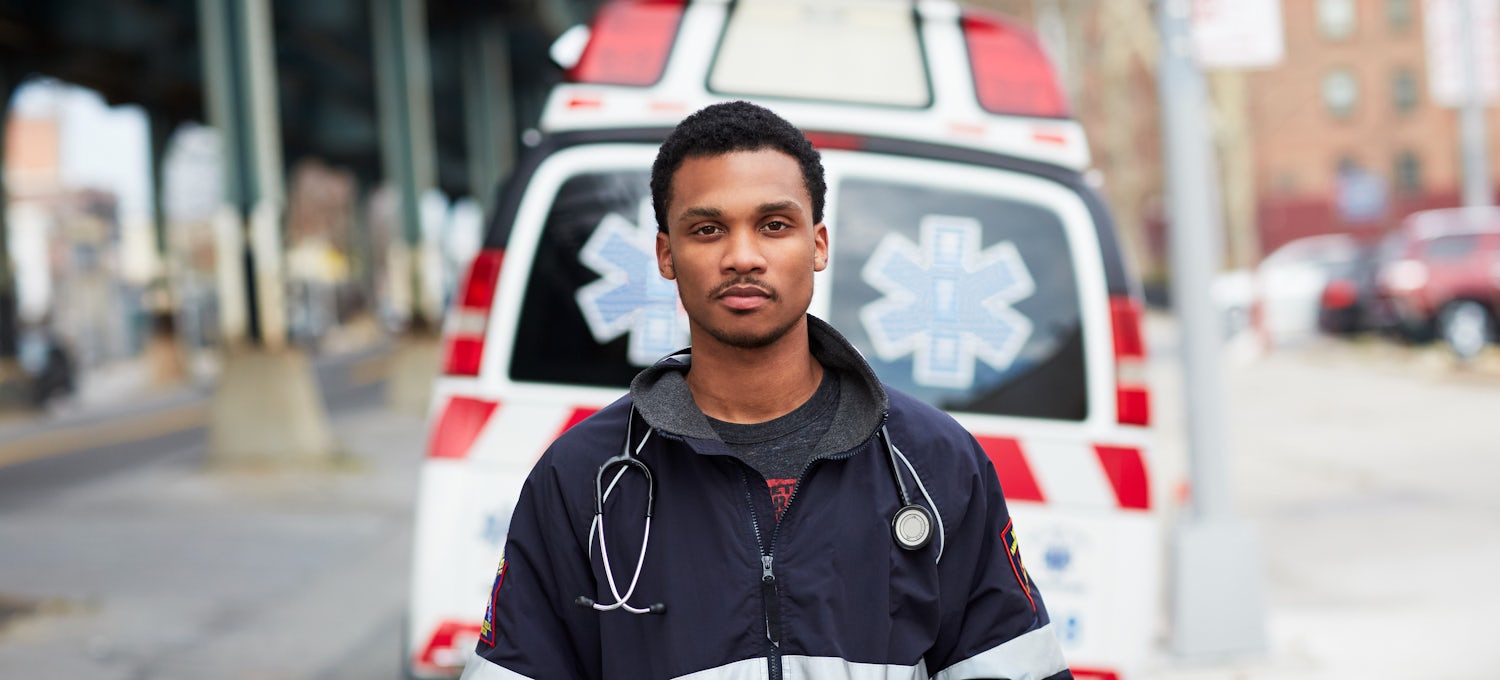
Understanding the importance of EMTs & Paramedics
Emergency Medical Technicians (EMTs) and paramedics, also known as first responders, provide immediate medical care during emergency situations. They are specially trained to assess patients, administer medical treatments, and transport patients in a safe manner to hospitals for further medical treatment. Paramedics, EMTs, as well as other medical professionals, play an essential part in stabilizing patients in a crisis, making split second decisions, and offering the most compassionate treatment to patients suffering from distress.
Step 1: Becoming EMT
You have to complete the mandatory training and education program as well as the required education and training program, which can vary based on what certification level you’re trying to reach. There are three different levels of EMT certification.
1. EMT-Basic (EMT-B) The EMT-B is the simplest certification and is based on 100-150 hours of instruction. EMTs are educated in basic medical treatment, including CPR blood pressure control, and the management of the airways.
2. EMT-Intermediate (EMT-I): EMT-I requires additional training, and it varies from state to state. In certain states the level is combined with EMT-B. In other states, it requires 200 to 400 hours of education, which includes increased medical expertise as well as intravenous therapy.
3. EMT-Paramedic: This is by far the highest level of EMT certification. It requires intensive training that lasts between 1,000 and 1 800 hours. Paramedics can carry out advanced medical procedures like administering medication in the form of EKGs, interpreting them and advanced airway management.
Step 2: Obtaining Paramedic Certification
To qualify as a paramedic, you must first complete the EMTB and EMTI levels and gain some experience in the field. You’ll then be able to enroll in a paramedic course, which usually takes from one to two years to complete. This extensive program will instruct you on advanced medical concepts, and provide you with the abilities and knowledge to manage critical situations by yourself.
Explore EMT Training Options
You have several options when it comes to EMT certification, based on what level you want to attain. EMT courses are usually offered by medical trade schools and community colleges at all levels. These programs combine of teaching in the classroom, hands-on training, and practical experiences in field and clinical settings.
Colleges and universities offer EMT programs at the EMT/Paramedic level in case you’re seeking an extensive, in-depth EMT training that leads to a college degree. These courses will give you an in-depth knowledge of emergency medicine and allow you to make better medical decisions as well as provide better care for patients.
Step 4: Ensure that DSHS-approved EMS training
If you’re aspiring to become EMTs and paramedics, it’s important to make sure that the training program you choose to take is DSHS accredited. The Department of State Health Services is the body that approves EMS courses to ensure that they adhere to the highest standards for competency and training. By enrolling in a DSHS approved EMS training course, you can rest assured that you are receiving top-notch instruction and meeting the necessary requirements for certification.
An occupation as an EMT or paramedic can be very rewarding and highly respected. EMTs along with paramedics as well as other first responders play an important function in providing medical attention and saving lives in emergencies. To embark on this lifesaving journey, aspiring EMTs and paramedics have to complete the required education and training programs. The EMT certification can be completed in the community college, medical trade school, or at a university according to the desired level of certification.
While assessing the various training options, you should also ensure that your chosen EMS training program is DSHS certified. This will ensure you are receiving a quality education that is up to the requirements required to obtain EMT certification as well as paramedic accreditation.
As the need for qualified emergency medical professionals rises, EMS provides a wealth of career options and the chance to impact the lives of other. If you begin as an EMT Basic or to become a paramedic, your dedication to providing essential healthcare will be rewarded with an exciting and meaningful job in emergency medical care.